Archives

Author's Posts

Key Takeaways

  • Keratoconus and dry eyes can feel very similar at first, with shared symptoms like blurry vision, irritation, and light sensitivity.
  • Keratoconus is caused by thinning and bulging of the cornea, while dry eyes come from poor tear production or tear quality.
  • Misdiagnosis is common, and using the wrong treatment can delay proper care and make symptoms worse.
  • Both conditions can exist together, which makes a detailed eye exam the only reliable way to tell them apart.
  • Early diagnosis and the right treatment plan are important to protect vision and improve comfort.

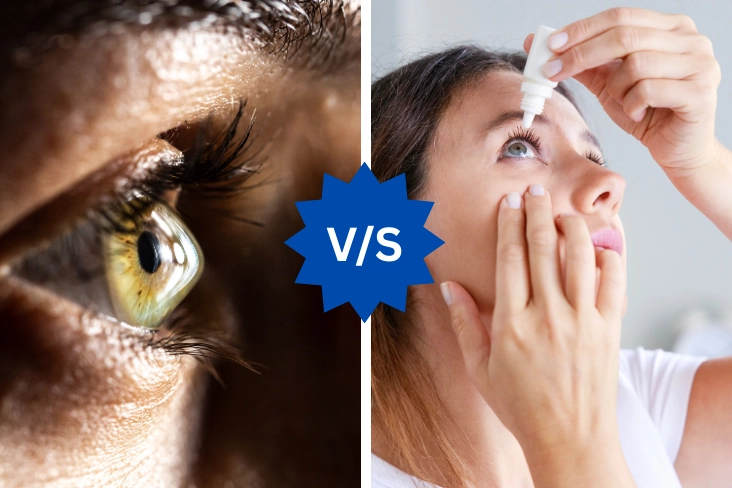
If your eyes constantly feel irritated, dry, or blurry, it’s easy to assume it’s just dry eye syndrome. But what if the discomfort is actually something else? Keratoconus, a progressive eye condition, can sometimes mimic the symptoms of dry eyes. This overlap often leads to confusion and even misdiagnosis. In this article, we’ll walk you through the differences between keratoconus and dry eyes, so you can understand what might really be behind the discomfort and when it’s time to dig a little deeper.

Continue reading Keratoconus vs Dry Eyes: Are You Misdiagnosing the Discomfort?

What is Keratoconus?

Quick Answer

Keratoconus is a condition where the cornea thins and bulges into a cone shape, causing blurry vision that glasses can’t fully fix. It usually starts in the teens or twenties and worsens gradually, with signs like frequent prescription changes and light sensitivity. Treatment ranges from specialty contacts to corneal crosslinking, or a transplant in advanced cases. Catching it early gives you the most options.

If you’ve noticed your vision becoming blurry, more sensitive to light, or just not as sharp as it used to be, it might be easy to blame it on something like dry eyes or eye strain. But sometimes, there’s something deeper going on. One condition that often flies under the radar is keratoconus. It’s not very well known, but it can have a big impact on your eyesight if it goes undiagnosed. Let’s take a closer look at what keratoconus actually is, how it affects your eyes, and why it’s important to catch it early.

What is Keratoconus?

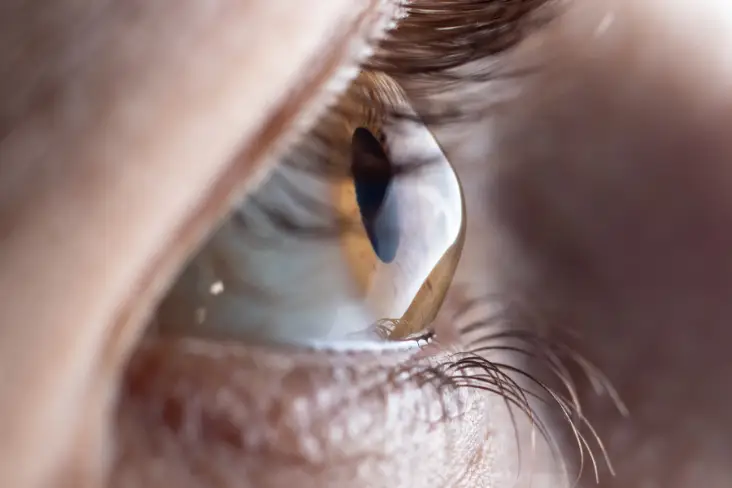
Keratoconus is a condition that affects the clear, front part of your eye called the cornea. Normally, your cornea is smooth and round, but with keratoconus, it gradually thins out and starts to bulge forward into a cone shape. This change in shape makes it harder for light to focus properly on the retina, which causes blurry vision and other problems. It usually starts during the teenage years or early adulthood and can slowly get worse over time.

Continue reading What is Keratoconus? Symptoms, Causes, Diagnosis & Treatment

9 Reasons You Can’t Wear Contact Lenses

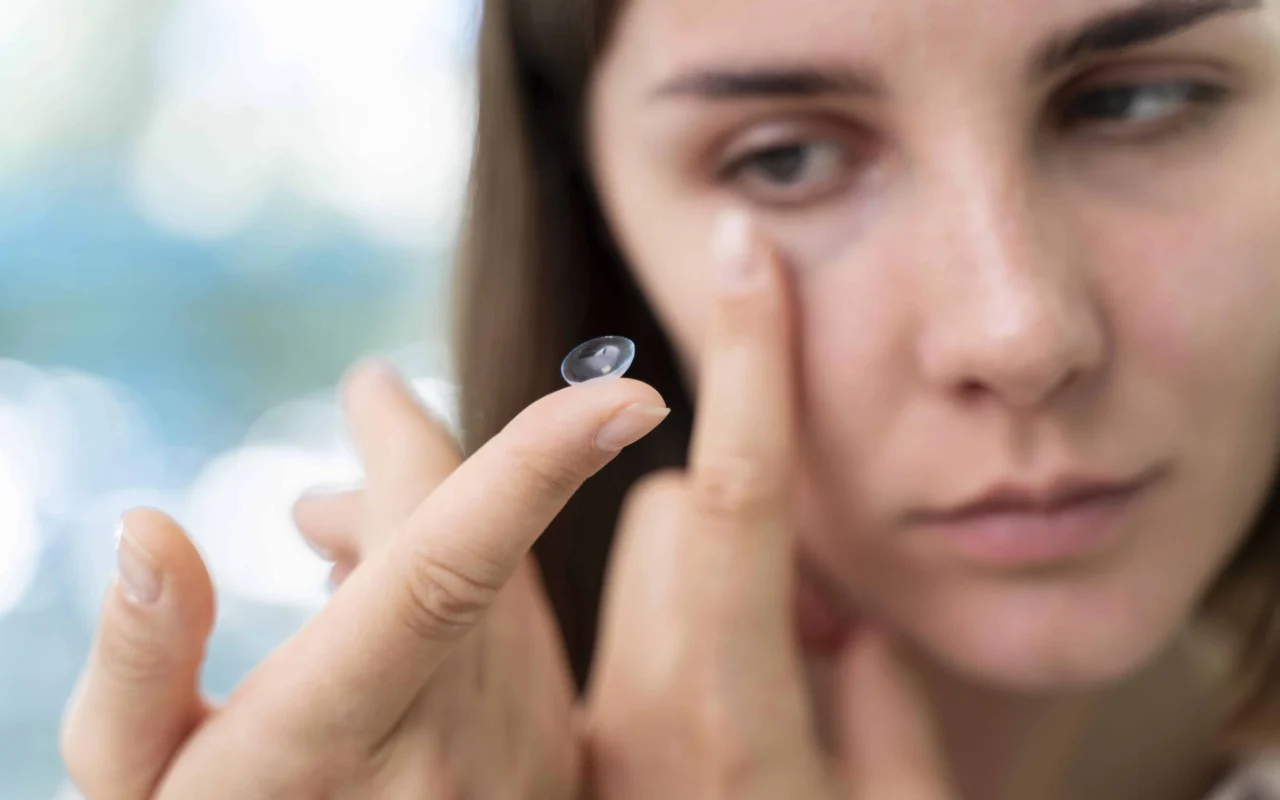
Most people can wear contact lenses safely, but not everyone is a good candidate. The most common reasons someone can’t wear contacts comfortably are dry eye syndrome, eye allergies, an irregularly shaped cornea (like keratoconus), frequent eye infections, severe refractive errors, poor lens hygiene, certain medications, age-related factors, and cost or access to the right lens type. In many of these cases, the fix isn’t giving up on contacts altogether — it’s switching to a different lens type, treating an underlying issue, or adjusting your routine.

Continue reading 9 Reasons You Can’t Wear Contact Lenses (And What to Do About Each One)

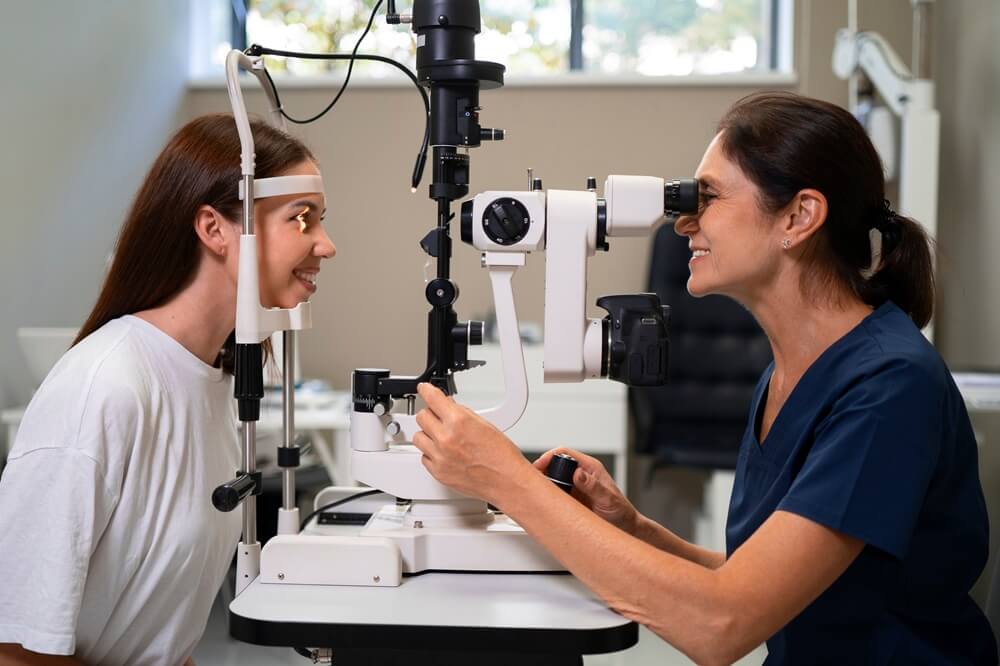
What is Contact lens eye exam

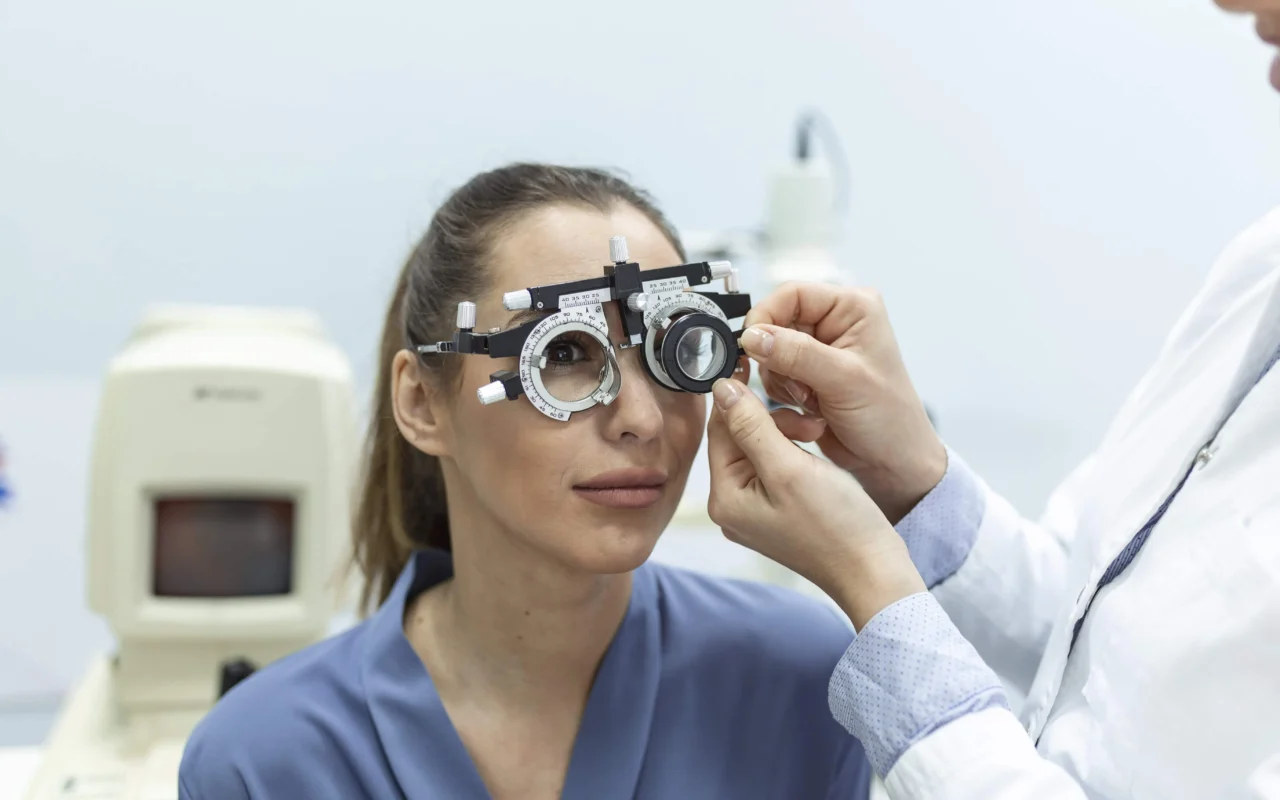
If you’re thinking about switching from glasses to contact lenses, you’ll need more than just a regular eye exam. A contact lens exam is a special test that helps your eye doctor find the right lenses for your eyes. It checks your vision, eye shape, and how well your eyes produce tears. This ensures your contacts fit comfortably and safely while giving you clear vision. In this blog, we’ll explain what is a contact lens exam, why it matters, and what you can expect during your visit.

Continue reading What Is a Contact Lens Exam? Everything You Need to Know

If you’ve been told you have cataracts and need surgery, it’s completely normal to feel nervous, especially if you’re wondering whether the procedure will hurt. Many people worry about pain during eye surgery, but the reassuring news is that cataract surgery is one of the safest and most comfortable procedures in modern medicine.

If you are wondering how painful is cataract surgery, you must know that thanks to advanced techniques, numbing eye drops, and gentle sedation, most patients feel little to no pain during the surgery. Many say the experience was easier than they expected. In this blog, we’ll walk you through what you can expect before, during, and after cataract surgery, so you can feel informed and more at ease about the process.

Continue reading Is Cataract Eye Surgery Painful?

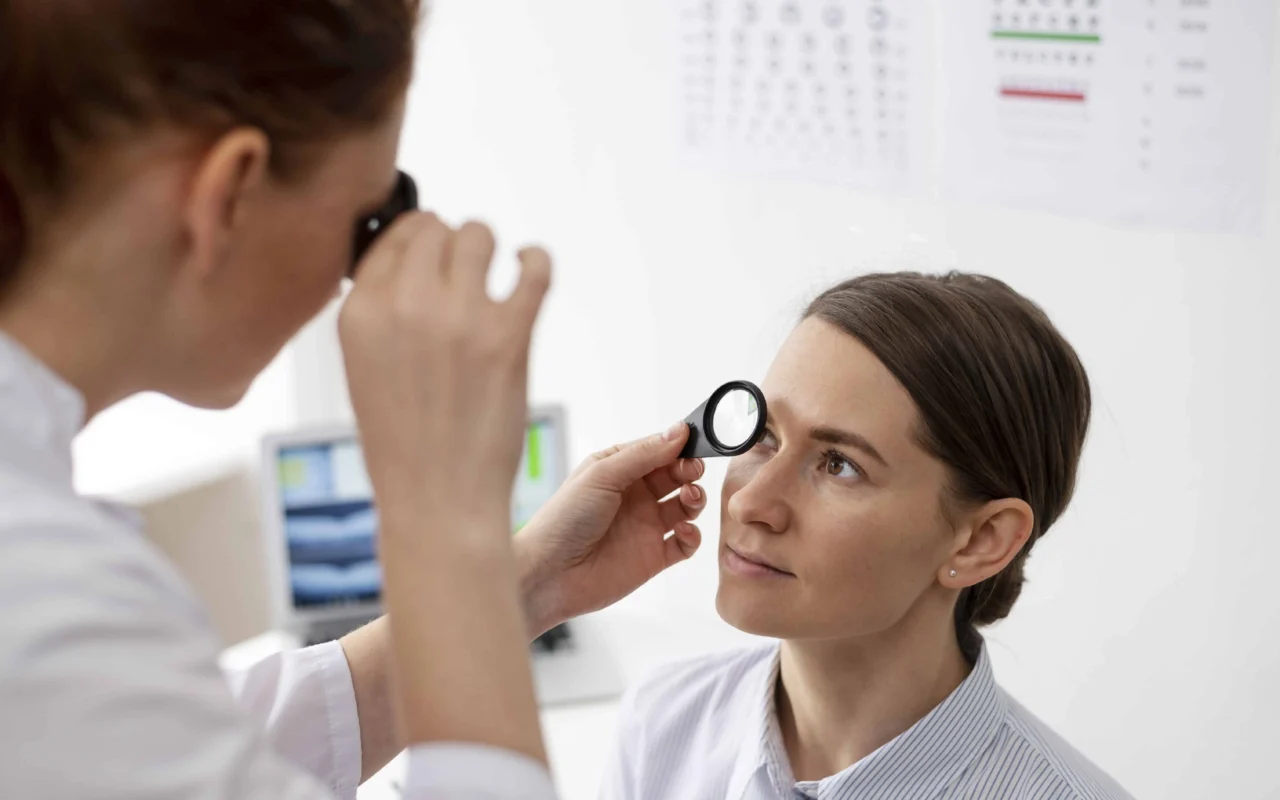
Have you got an eye exam coming up and not sure how much time to set aside? Whether you are going for a routine check-up or finally updating those old glasses, it’s natural to wonder: how long does an eye exam take?

Here’s a breakdown of the eye exam time frame from start to finish so that you know what to expect and can plan ahead.

Continue reading How Long an Eye Exam Takes? Here’s What to Expect!

lasik vs prk vs smile

If you are thinking about laser eye surgery to say goodbye to glasses or contacts, you’ve probably heard of LASIK, PRK, and SMILE. But which one is the best fit for your eyes and lifestyle?

These three procedures all correct vision by reshaping the cornea, but they do it in different ways. Their differences can impact your recovery time, comfort, and overall results.

Continue reading LASIK vs PRK vs SMILE: How it Works, Risks and Recovery

early eye test for alzeimers

In the Journal of Clinical Insight, researchers have found that performing retinal scans can pick up amyloid plaques which cause Alzheimer’s in the brain. Getting a yearly eye test can be a way to pick up early stages of Alzheimer’s and early intervention will be helpful to caregivers and family members. Researchers may have brought a step closer that can detect a hallmark of the disease.

Alzheimer’s is the most common cause of dementia, affecting more than 40 million people worldwide. And yet, finding a cure is something that still eludes researchers today. It includes difficulty sleeping, disturbed memory, drastic mood changes, and an increase in confusion.

Continue reading An Early Eye Test can Unearth Alzheimer’s Eyes

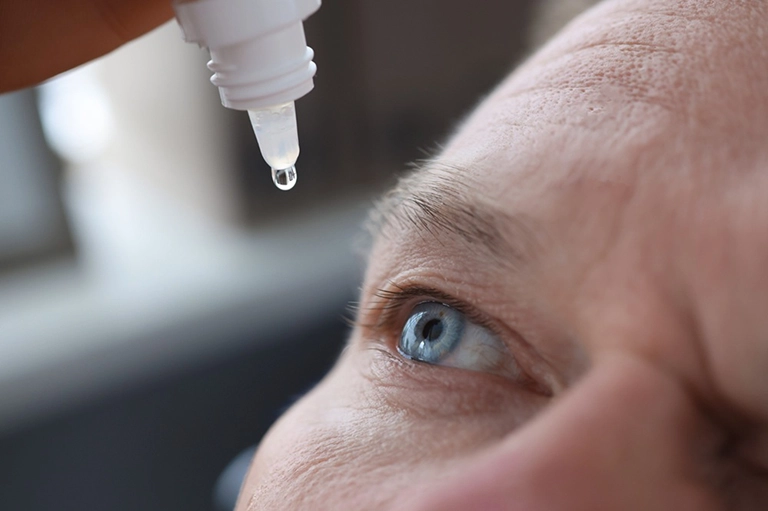
how-long-does-eye-dilation-last-and-what-to-expect-after-your-dilated-eye-exam

Quick Answer

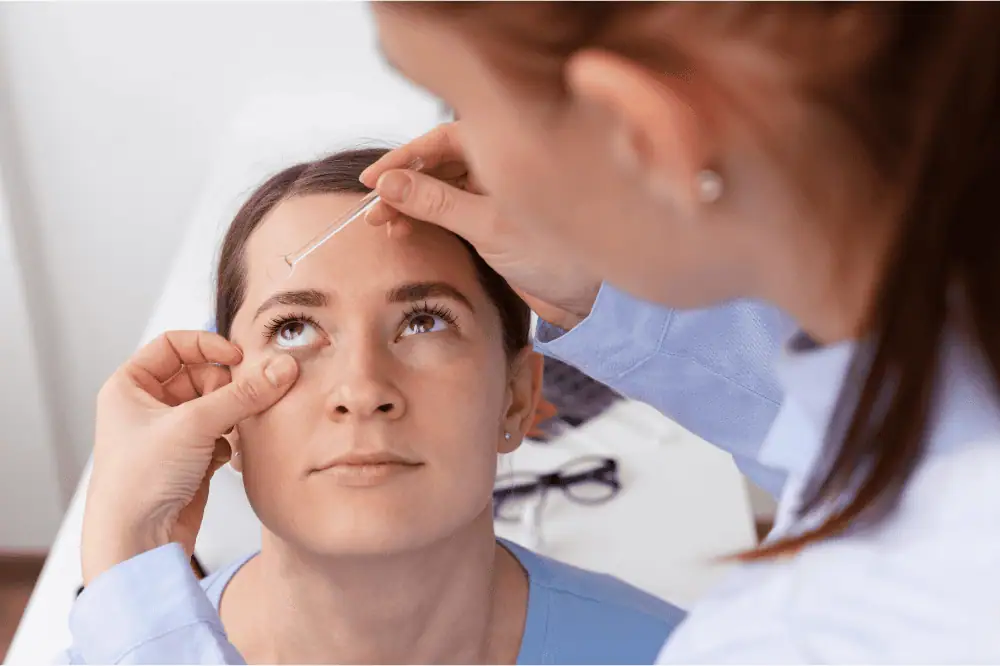
Your eyes typically stay dilated for 4 to 6 hours after an eye exam. Drops take effect within 15 to 30 minutes, and you’ll notice larger pupils, blurry near vision, and light sensitivity during this window. Dilation can last up to 24 hours if you have light-colored eyes or are a child, since both react more strongly to dilating drops.

A dilated eye exam is a routine procedure used by eye doctors to get a clearer view of the back of your eyes. This process temporarily enlarges your pupils, allowing your doctor to examine your retina, optic nerve, and blood vessels for any potential issues. While the dilation can blur your vision for a bit, it is a critical step in maintaining your eye health.

In this blog, we will explore how long your eyes stay dilated, the possible side effects, and tips for managing any discomfort during the process.

Continue reading How Long Does Eye Dilation Last After an Eye Exam?

How long between cataract surgery on each eye

Have you been noticing cloudy or blurry vision that makes reading, driving, or even watching TV harder? This could be a sign of cataracts. Cataracts happen when the clear lens in your eye becomes cloudy, making everything look foggy or dull. The good news is that cataract eye surgery can help you see again. But if both your eyes need surgery, you might be wondering, How long should you wait between surgeries?

Let’s make this simple and easy to understand.

Continue reading Cataract Surgery for Both Eyes: How Long Should You Wait?

Request your appointment

Request now & we will get back to you as soon as possible.

Call Us 559-449-5050