
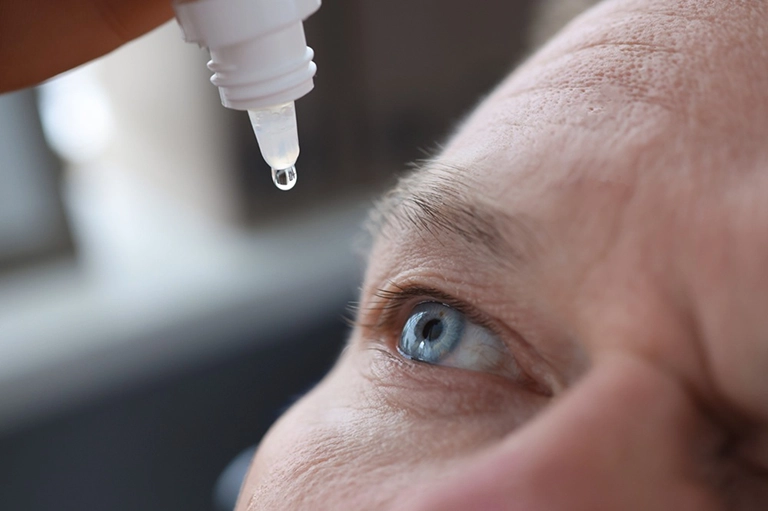
A dilated eye exam is a routine procedure used by eye doctors to get a clearer view of the back of your eyes. This process temporarily enlarges your pupils, allowing your doctor to examine your retina, optic nerve, and blood vessels for any potential issues. While the dilation can blur your vision for a bit, it is a critical step in maintaining your eye health.
In this blog, we will explore how long your eyes stay dilated, the possible side effects, and tips for managing any discomfort during the process.
What Is a Dilated Eye Exam?
A dilated eye exam is when your eye doctor uses special drops to temporarily enlarge your pupils. Why do they dilate your eyes for an eye exam? So, they can get a better view of the back of your eyes, like your retina, optic nerve, and blood vessels.
Think of it as giving them a bigger window into your eye health. It’s a crucial step in catching issues like glaucoma, diabetic retinopathy, and age-related macular degeneration early, even before symptoms show up.
How Long Do Eyes Stay Dilated After an Exam?
For most people, dilation lasts anywhere between 4 to 6 hours. But that’s not a necessary rule. If you’ve got lighter-colored eyes (like blue or green), or if you’re a kid, the effects can linger for up to 24 hours. Your eyes might feel a little off for the rest of the day.
You’ll usually feel the drops take effect within 15 to 30 minutes. After that, you’ll notice your pupils look huge, and things might get a little blurry. You might squint in sunlight or struggle to read your phone. The good news is that it’s temporary, and there are ways to make it easier on yourself.
What are the Factors That Affect Dilation?
Here’s what can impact dilation and how long your dilation will last:
- Your Eye Color: Light eyes react more strongly and may stay dilated longer.
- Your Age: Kids often experience longer dilation than adults.
- The Type of Drops Used to Dilate Eyes for Exam: Some are designed to last longer for specific tests.
What Side Effects Should You Expect?
Having dilated eyes can be kind of annoying. Here are some common eye exam dilation side effects you might notice:
- Blurry Vision: Especially for close-up stuff like reading or scrolling.
- Light Sensitivity: Sunlight or even indoor lighting might feel harsh.
- Difficulty Focusing: Your eyes are adjusting, so don’t be surprised if things feel off.
- Mild Discomfort or Allergic Reaction: Rare, but possible. If your eyes itch, swell, or feel weird for too long, call your eye doctor.
Also Read: 21 Reasons for Sudden Blurry Vision and How to Treat It
How to Make Dilated Eye Examinations More Bearable?
You don’t have to suffer through dilation. Here’s how you can feel more comfortable while your pupils return to normal:
- Bring Sunglasses: This one is a necessary item. Keep a pair with you for the ride home. It will keep your eyes cool and calm.
- Avoid Driving: Can you drive after a dilated eye exam? We would suggest you don’t. Get someone else to drive you. Or wait until your vision clears up before driving. Do not drive if the sun feels too harsh and you do not feel up to it.
- Take a Break from Screens: Our eyes are working overtime. Give them a rest, the screen can make your eyes feel tired, avoid screen time till you feel better.
- Dim your Environment: Close the blinds, turn off bright lights, and rest until your eyes feel better. Let your eyes not be exposed to too much light, and keep them feeling cool and rested.
Related Read: 8 Eye Relaxation Exercises That Actually Work to Improve Your Vision
Your Eye Health Deserves the Best
At InSight Vision Center, we take your eye care seriously and make it comfortable, too. Our comprehensive eye exams, including when we dilate eyes for exams, are designed with your vision and peace of mind in mind.
Whether you are looking for an experienced eye doctor in Fresno, a trusted ophthalmologist in Fresno, or a full-service eye clinic in Fresno, we’ve got you covered.
Ready for clearer vision and expert care?
FAQs Related to Dilated Eye Exam
Not at all. The drops might sting for a second, but the process itself is painless.
Feeling nervous about your next dilated eye exam? Don’t be. Now that you know what to expect, you’ll be ready to handle it like a pro. And remember, it’s a small step for long-term eye health.
Dr. Azhar I. Salahuddin is an ophthalmologist and is fellowship-trained in cornea, external diseases, and refractive surgery. Dr. Salahuddin has been performing cataract surgery for over 19 years and specializes ocular reconstruction, corneal transplantation surgery as well as vision correction through a variety of intraocular lenses. Dr. Salahuddin is board-certified by the American Board of Ophthalmology and was trained at Boston University.