
9 Reasons You Can’t Wear Contact Lenses (And What to Do About Each One)
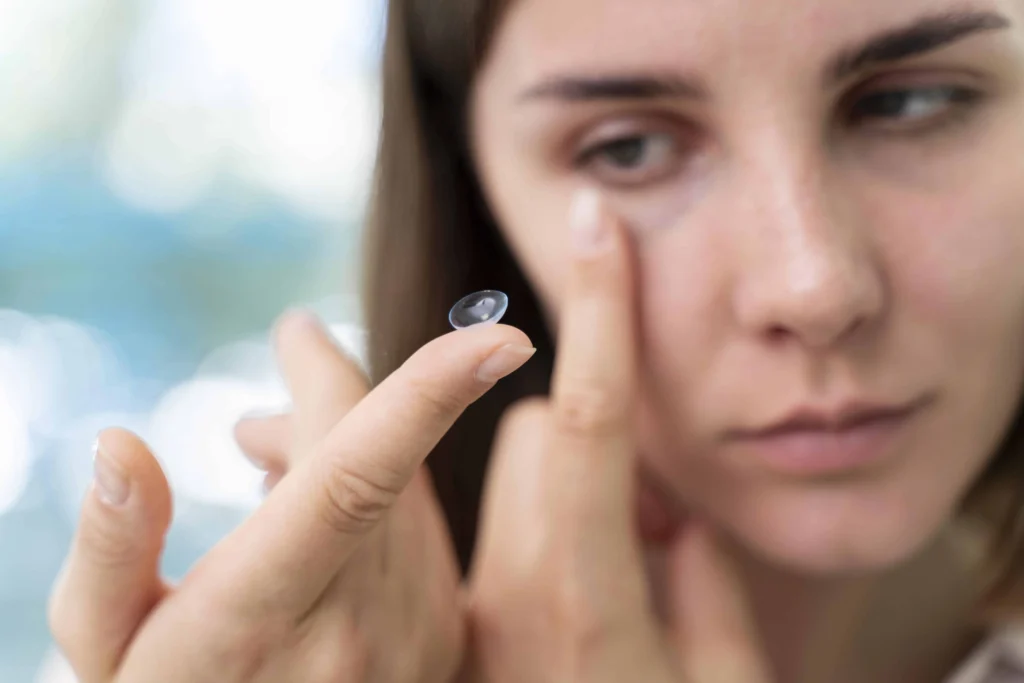
Most people can wear contact lenses safely, but not everyone is a good candidate. The most common reasons someone can’t wear contacts comfortably are dry eye syndrome, eye allergies, an irregularly shaped cornea (like keratoconus), frequent eye infections, severe refractive errors, poor lens hygiene, certain medications, age-related factors, and cost or access to the right lens type. In many of these cases, the fix isn’t giving up on contacts altogether — it’s switching to a different lens type, treating an underlying issue, or adjusting your routine.
If you’ve ever tried wearing contacts and found them uncomfortable, hard to handle, or just impossible to get used to, you’re not alone. Below, we break down each of the 9 reasons in detail, the symptoms that point to each one, and what you and your eye doctor can do about it.
Key Takeaways
- Around 9 in 10 people who struggle with contacts can still wear some type of lens once the underlying issue is identified and addressed.
- Dry eyes, allergies, and an irregular cornea shape are the three most common reasons contacts feel uncomfortable.
- Signs of a poor lens fit include persistent redness, blurry vision that comes and goes, excess tearing, and a feeling that the lens is sliding or shifting.
- Specialty lenses — daily disposables, RGP, scleral, or toric lenses — solve most of the issues below without requiring you to switch to glasses full-time.
- If lens changes don’t help, a comprehensive eye exam can determine whether LASIK or Refractive Lens Exchange is a better long-term fit.
Signs Your Contact Lenses Aren’t Fitting Right
Before troubleshooting which of the 9 reasons applies to you, it helps to know what a poor lens fit actually feels like. Common signs include:
- Redness that shows up soon after inserting your lenses and doesn’t fade
- Blurry or fluctuating vision, especially later in the day
- A gritty, burning, or “something’s in my eye” sensation
- Lenses that feel loose, shift off-center, or fall out easily
- Excess tearing or, conversely, dryness that lubricating drops don’t fix
If any of these sound familiar, one of the 9 reasons below is likely the cause — and most have a workaround.
Why Some People Can’t Wear Contact Lenses
Here are the 9 major reasons some people struggle to wear contact lenses:
-
Dry Eye Syndrome
If your eyes often feel dry, scratchy, or tired, contact lenses might not be the most comfortable option for you. Dry eye syndrome is one of the main reasons why some people struggle with wearing contacts. When your eyes don’t produce enough moisture, or the quality of tears isn’t right, the lenses can feel irritating instead of helpful. The lens sits on the eye’s surface and depends on a healthy tear film to stay comfortable. Without enough moisture, lenses can dry out quickly, making your eyes feel worse.
Symptoms to Watch For
If you’re dealing with dry eye syndrome, you might notice:
- Constant irritation or burning sensation
- Redness that doesn’t go away
- Blurry vision that comes and goes
These symptoms can make it hard to keep lenses in for long periods, and in some cases, they can even affect your vision clarity while wearing them.
Possible Solutions
Don’t worry. You don’t always have to give up on contact lenses if you have dry eyes. There are ways to make them work better for you.
- Try using lubricating eye drops to keep your eyes moist throughout the day
- Switch to more breathable, high-moisture contact lenses that are designed for dry eyes
- Make sure you’re taking breaks and not wearing lenses for too long at a stretch
If dryness continues, it’s a good idea to speak with your eye doctor. They can recommend the best type of lens or treatment plan that suits your eyes.
-
Eye Allergies or Sensitivities
If you deal with seasonal or year-round allergies, wearing contact lenses can be a challenge. Allergens like pollen, dust, or pet dander can stick to the lens surface and irritate your eyes even more. This irritation makes it harder to keep the lenses in all day or even for a few hours.
Symptoms to Watch For
- Redness in the eyes
- Itchy or burning sensation
- Watery or teary eyes
- Feeling like there’s something stuck in your eye
These symptoms can make daily lens use frustrating and uncomfortable.
Possible Solutions
If you still want to wear contacts, there are ways to work around it. One option is to switch to daily disposable lenses, which are thrown away after one use. This helps reduce the buildup of allergens on the lens surface. Another option is to simply wear glasses during allergy seasons or on high-pollen days, giving your eyes a break while still maintaining good vision.
-
Irregularly Shaped Cornea (e.g., Keratoconus)
Some people have a cornea that isn’t perfectly round. If you have a condition like keratoconus, your cornea may be cone-shaped instead of dome-shaped. This makes it difficult for regular contact lenses to sit properly on your eye. They might move around too much or not give you clear vision.
Symptoms You Might Notice
If your cornea is irregularly shaped, you may find it hard to see clearly with standard lenses. You might feel discomfort, have blurry vision, or notice that your lenses don’t stay in place. Sometimes, people experience increased light sensitivity or eye strain during the day.
Possible Solution
The good news is that there are special lenses made just for this. Rigid Gas Permeable (RGP) lenses or scleral lenses are often recommended. These lenses are designed to fit better on irregular corneas and provide clearer, more stable vision. If regular lenses haven’t worked for you, it’s worth speaking to an eye care professional about these custom options.
-
Frequent Eye Infections
Wearing contact lenses isn’t for everyone, especially if you often deal with eye infections. If your eyes tend to get red, itchy, watery, or feel sore often, contacts might make things worse. The surface of your eye needs to stay clean and healthy for lenses to sit comfortably. But when infections are frequent, even clean lenses can irritate your eyes and lead to more problems.
Common Symptoms to Watch For
- Redness or swelling in or around the eye
- A burning or stinging sensation
- Watery or sticky discharge
- Blurred or cloudy vision
- Increased sensitivity to light
These signs may mean your eyes are reacting to the lenses or that there’s an existing infection that needs medical attention.
What Can You Do?
If you notice these symptoms, the best step is to stop using your lenses for a while. Give your eyes a break and switch to glasses until things settle down. Make sure you’re following proper hygiene while handling your lenses. And most importantly, talk to an eye doctor. They can check if an underlying condition is causing repeated infections and suggest the right way forward. In some cases, they might recommend a different type of lens or advise against using contacts altogether.
-
Severe Refractive Errors or Eye Conditions
Some people have vision problems that are too complex for regular contact lenses to handle. This includes conditions like severe astigmatism, very high myopia (nearsightedness), or other unusual prescriptions. In these cases, standard lenses may not fit properly or may not correct the vision well enough, which can lead to discomfort and poor results. This is also the situation behind one of our most common questions — what types of contacts you can wear with astigmatism.
Symptoms You Might Notice
If you try to wear contact lenses and have one of these conditions, you might experience:
- Blurry or distorted vision even with the lenses in
- Eye strain or headaches
- Discomfort or a feeling that the lens is not sitting right
- Difficulty keeping the lenses in place
These symptoms are a sign that the lenses are not suited to your eyes and may be doing more harm than good.
Also Read: Nearsightedness vs. Farsightedness: Causes, Symptoms & Prevention
Possible Solutions
The good news is that you still have options. Some people benefit from specially designed, custom-made contact lenses that match the exact shape and needs of their eyes. These are often more expensive, but they can offer much better comfort and clarity.
Another option is to talk to your eye doctor about refractive surgery, like LASIK or PRK. These surgeries are not for everyone, but they can permanently correct many severe vision problems and eliminate the need for contacts altogether.
Not sure which of these applies to you? A contact lens fitting can usually tell within one visit.
Book a Contact Lens Consultation
-
Poor Lens Hygiene or Habits
If you don’t clean your lenses properly or skip the recommended schedule, problems can start to show up quickly. Touching lenses with unwashed hands, sleeping with them on, or using them beyond the recommended time can lead to serious issues. This not only affects comfort but can also make your eyes more sensitive or even resistant to wearing lenses in the future.
Symptoms You May Notice
- Itching or burning sensation in the eyes
- Redness and irritation
- Blurry vision
- Feeling like something is stuck in your eye
- Frequent eye infections
- Sensitivity to light
If any of these symptoms sound familiar, your eyes might be reacting to improper care or lens use.
Possible Solutions
The first step is to stick to a proper cleaning routine. Use only the recommended lens solution and never rinse your lenses with water.
Always wash and dry your hands before touching your lenses. Follow the exact wear time suggested by your eye doctor and never push beyond it.
If you’re still facing problems despite doing everything right, talk to your optometrist. They might suggest switching to daily disposable lenses or a different material that’s more comfortable for your eyes. Remember, wearing contacts is a responsibility. The better your habits, the more likely your eyes will stay healthy and comfortable.
Read Related: How to Take Care of Contact Lenses? Ways to Clean and Care for Lenses
-
Medication Side Effects
Certain medications can make your eyes feel dry, itchy, or irritated. You may also notice blurred vision or that your lenses don’t sit well on your eyes.
Common Medications That Cause This
- Antihistamines
- Birth control pills
- Acne medications like isotretinoin
What You Can Do
If your eyes are feeling uncomfortable, talk to your doctor. You might be able to adjust your medication or take a break from lenses and switch to glasses for a while. Lubricating eye drops can also help, but only if they are safe to use with your specific lenses.
-
Age and Lifestyle Factors
Age and lifestyle can play a big role in whether contact lenses are a good fit. Some children and older adults may find contact lens use more challenging due to handling, hygiene, or health issues. Likewise, certain environments or daily routines can make lens wear uncomfortable or even risky.
Common Issues
Younger children may struggle with the responsibility of cleaning and storing lenses properly. Older adults might have difficulty inserting or removing lenses due to shaky hands, reduced vision, or dryness caused by age-related eye changes. People who work in dusty, smoky, or windy environments may feel irritation or discomfort throughout the day.
Possible Solutions
For children, it may be better to wait until they’re mature enough to manage lens hygiene and care. Older adults may find eyeglasses to be a safer and more convenient option. In cases where the environment causes discomfort, daily disposable lenses can help reduce buildup and improve comfort. For active individuals, sports goggles may offer a more practical alternative. LASIK surgery is also a long-term solution worth exploring with an eye specialist.
-
Cost or Access to the Right Lenses
Sometimes, the main barrier to wearing contact lenses isn’t comfort or health. It’s the cost or availability of the right type of lenses. Specialty lenses, such as toric lenses for astigmatism or scleral lenses for dry eyes, can be more expensive and harder to find. This can lead some people to give up on contacts altogether without knowing there are options.
Common Issues
The price of custom or specialty lenses can be a hurdle. In some areas, these lenses may not be available locally. Limited information or poor advice can also prevent people from finding lenses that work for their specific needs.
Possible Solutions
Instead of giving up, it’s best to speak directly with an optometrist. They can recommend alternatives that fit both your eyes and your budget. In many cases, there are affordable brands or newer options available that people are simply unaware of. Some clinics also offer trial lenses or payment plans to make the transition easier.
Closing Thoughts
If you’ve struggled with contact lenses before, it doesn’t always mean they’re not for you. Many of the issues mentioned above can be solved with the right guidance and care, and most people who think they “can’t” wear contacts simply haven’t been fitted with the right lens type yet. If lenses genuinely aren’t a long-term fit for your eyes, procedures like LASIK or Refractive Lens Exchange can offer a permanent alternative. The best way to find what works for your eyes is to talk to a professional. Visit us at InSight Vision Center to explore safe, personalized options that actually suit your eyes and lifestyle.
Get expert guidance at InSight Vision Center to find the contact lens option that truly works for you.
Schedule your appointment today!
FAQs About Who Can’t Wear Contact Lenses
Can anyone wear contact lenses?
Most people can wear some type of contact lens, but not everyone can wear standard soft lenses comfortably. Conditions like dry eye, keratoconus, or chronic infections often mean a different lens type — not glasses — is the right fix.
Who is not a good candidate for contact lenses?
People with very dry eyes, frequent eye infections, or irregularly shaped corneas may find contact lenses hard to wear. If you have trouble keeping up with lens care or hygiene, you might also not be a good fit.
Is it hard to get used to wearing contact lenses?
For most first-time wearers, the adjustment period is a few days to two weeks. If discomfort continues past that, it’s usually a sign of an underlying issue like dry eye, allergies, or an improper fit rather than something you simply need to push through.
What disqualifies you from wearing contact lenses?
Conditions like severe allergies, chronic dryness, eye surface damage, or certain medications can make wearing lenses uncomfortable or risky. Poor hygiene habits can also lead to long-term problems.
What are the signs of poorly fitting contact lenses?
Persistent redness, blurry or fluctuating vision, a gritty or burning sensation, lenses that shift or fall out, and excess tearing or dryness are all signs your lenses aren’t fitting correctly and should be reassessed by your eye doctor.
Are there people who cannot wear contact lenses at all?
Yes, some people simply can’t wear contacts due to medical conditions, sensitive eyes, or lifestyle factors. But in many cases, there are special types of lenses that can still work with the right guidance.
What prescription makes contact lenses harder to wear?
Very high myopia, severe astigmatism, and unusual or rapidly changing prescriptions can all make standard soft lenses harder to fit well. Custom or specialty lenses are usually needed in these cases.
Who isn’t eligible for contact lenses?
If your eye shape, prescription, or health history makes it unsafe or uncomfortable, your eye doctor might suggest glasses instead. The only way to know for sure is to get a proper eye exam and talk through your options.
This article is general information and isn't a substitute for an eye exam.