
Last Updated on September 10, 2026 by Aaron Barriga
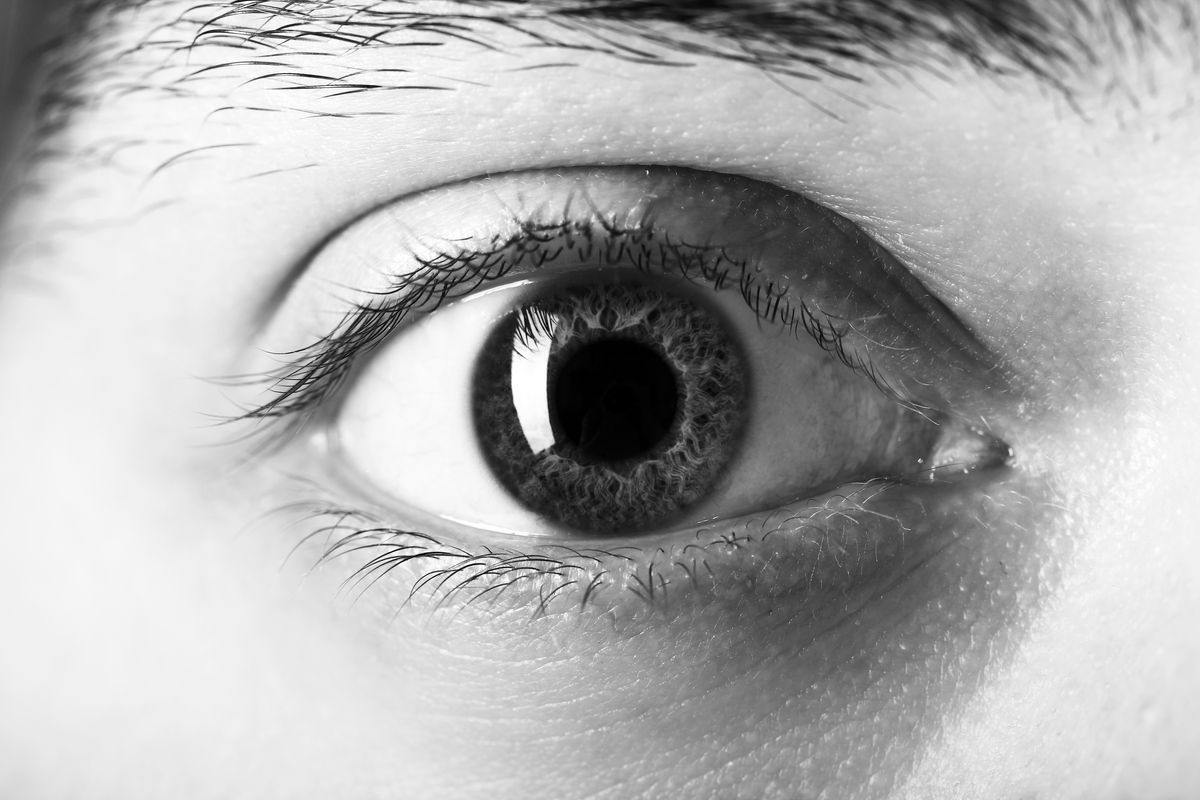
Do your eyes hurt long after you accidentally poked your eyes, or does something get trapped in them? There are good chances that you got a scratch on the cornea of your eyes, the black circle in the middle of your eye. This condition is known as a scratched eye or corneal abrasion.
This post elaborates on the symptoms and treatment options of the scratched eye. You will also get information on what to do and not to do for a scratched eye. Let’s get started!
Causes of Scratched Eye and Corneal Abrasions
You might’ve done any of the following actions to cause a scratched eye:-
- Wore contact lenses for an excessive time
- Poked your eye accidentally with a pen, pencil, makeup brush, or your fingernail
- Proper Contact lens care is not taken, or if they are not well-fitting
- Caught an eye infection
- Not protecting your eyes during a surgery
- Poured chemicals in your eye by mistake
- Played sports without safe eyewear – Read more on 4 Things to Check for Best Protective Eyewear for Sports
- Got engaged in high-risk physical activity without eye protection
- Rubbed your eyes too hard
- Got some foreign material in your eyes like dirt, ash, sand, or something else
What Are the Symptoms of a Scratched Eye?
You usually know when you’ve scratched your eyes by mistake. But if you can’t remember any such incidents, you can still look for corneal abrasion symptoms. Do you feel like you have some dirt in your eyes, a foreign body sensation, or notice light sensitivity and blurred vision? If yes, then you might have scratched eyes or corneal abrasion.
Some of the most common scratched eye symptoms are:
- Pain in your eyes when you open or close them
- excessive tearing as the eye attempts to heal
- Eyes that look red or bloodshot
- blurry vision
- Sensitivity to light
- Headaches
What to Do if You Get Poked in the Eye?
Often, a small poke in the eye caused by a blunt item such as a finger may be treated at home. The following first aid procedure can be used to treat a minor poke in the eye:
- Wash your hands and avoid rubbing your eyes.
- If you have a sterile saline solution on hand, use it to rinse your eye or otherwise, use clean water.
- Use a cold compress. Keep in mind to occasionally remove the compress.
- You can take an over-the-counter pain reliever if you’re feeling uncomfortable.
Do not try to remove foreign objects if anything is embedded in the eye.
An urgent care center may be appropriate for a mild injury that is not improving, but the emergency room is the right place if your eye is bleeding or the injury is severe.
If you suspect any symptoms of a scratched eye, make sure to follow the tips below and contact your eye doctor if the situation persists. Seek immediate medical attention for severe eye pain, worsening pain, or vision changes.
Dos & Don’ts of Scratched Eye!
Some tips can quicken the corneal abrasion healing time for you. At the same time, you can worsen your condition by making some mistakes. Thus, you must remember the below-mentioned dos and don’ts of the scratched eye.
What to Do for a Scratched Eye?
- Rinse your eyes with clean water or saline solution. You can take water or the solution in a glass or bowl and rest your eyes against it while blinking to avoid further irritation.
- Put the upper eyelids over the lower ones so that the lower eyelids can brush away the foreign substance.
- Wear sunglasses when you step out in the sun to ease your pain and discomfort. A scratched eye can make your eyes sensitive to bright light and even normal indoor lighting, and sunglasses can help reduce light sensitivity.
- Keep blinking as it helps in pushing dust particles and other small foreign substances out of the eyes.
- Seek medical attention if pain persists, becomes severe pain, or vision is blurred.
What Not to Do for a Scratched Eye?
- Don’t give in to the temptation of touching your eyes often to ease the pain. It will only aggravate it.
- Don’t use any over-the-counter eye drops without consulting your doctor. Avoid redness relief drops and numbing drops at home unless a doctor prescribes treatment, since they can irritate the eye or delay healing.
- Don’t wear your contact lenses for some time. Avoid lens wear or trying to wear contact lenses again until a doctor has checked your healing eye and confirmed it has healed, since contact lens wearers have a higher risk of infection.
- Don’t rub your eyes if they are itching. It can cause further injury and delay proper healing.
Scratched Eye Treatment and Antibiotic Eye Drops
If your corneal abrasion is not severe, most corneal abrasions heal completely with appropriate treatment. Most minor corneal abrasions heal within 24 to 48 hours, and most corneal abrasions heal within 24 to 72 hours overall. Larger eye scratches may take several days to a week to heal, since healing time varies with size and depth as the eye heals. In small abrasions, corneal cells multiply rapidly to repair the corneal tissue. You only need to follow the dos and don’ts of scratched eyes, and you will be fine in a few days. Sometimes, your doctor may recommend lubricating eye drops or artificial tears, ideally preservative-free when dryness is a factor, to keep your eyes moist.
In a more severe case of eye scratches, doctors may use antibiotic ointments, bandage contact lenses, or prescribed eye drops such as antibiotic eye drops to prevent infection, especially for contact lens wearers or higher-risk injuries. Delayed or inadequate care can raise the risk of infection and lead to a serious infection or other serious complications. A deep corneal abrasion can cause a permanent scar and affect your vision quality. So if you suspect that the injury is serious, don’t delay in reaching out to your doctor.
Prevention of Scratched Eyes
If you feel like something has gotten into your eyes, rubbing them to remove it can worsen scratches and other eye injuries, so preventing future eye injuries starts with avoiding that reflex. Instead, blink your eyes several times, pull your upper eyelid over the lower, and rinse with water immediately. If you feel something is stuck on the cornea, leave it to your doctor to remove that. Don’t ever attempt to touch your cornea on your own. For activities with flying debris, wear wraparound protective eyewear to help prevent future eye injuries. Preservative-free artificial tears can help manage dry eyes and support eye health, which may reduce corneal abrasions.
Summing Up!
In most cases, minor scratches improve quickly and symptoms can go away on their own in a few days, but seek medical attention if symptoms persist, if there is persistent pain, or if vision stays blurry. The information on how to heal a scratched eye provided here can also help you recover faster, and most eye scratches heal fully, but proper follow-up helps avoid complications. But if the problem persists or the scar seems to be serious, don’t delay in visiting a good and trusted eye doctor nearby.
Got poked in the eye? Don’t wait—book an appointment with Insight Vision Center for fast, expert eye care and relief.
Poked in the Eye | Scratched Eye FAQs
Related Read: Comparing Pink Eye vs. Scratched Cornea: Symptoms, Treatments & FAQs

Dr. Azhar I. Salahuddin is an ophthalmologist and is fellowship-trained in cornea, external diseases, and refractive surgery. Dr. Salahuddin has been performing cataract surgery for over 19 years and specializes ocular reconstruction, corneal transplantation surgery as well as vision correction through a variety of intraocular lenses. Dr. Salahuddin is board-certified by the American Board of Ophthalmology and was trained at Boston University.