
How Long Does LASIK Last? Understanding the Longevity
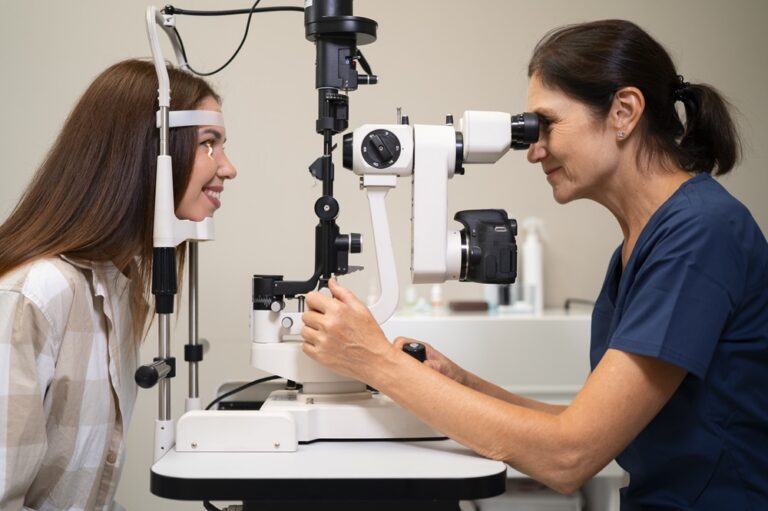
One of the most common questions prospective patients ask when considering LASIK eye surgery is, “How long does LASIK last?” This question is crucial for those looking to improve their vision and reduce their dependence on glasses or contact lenses.
LASIK, or laser-assisted in situ keratomileusis, has transformed the field of vision correction, offering a quick, effective, and relatively painless solution. However, understanding the longevity of the results is essential for setting realistic expectations and making an informed decision.
Is LASIK Permanent?
Yes, LASIK is permanent. During the procedure, a laser reshapes your cornea, the clear front surface of your eye, and this change lasts for life. Your eye doesn’t revert to its old shape once you heal.
But “permanent” doesn’t mean “frozen in time.” Your eyes are a living part of your body, and they keep aging after LASIK just like they would have without it. LASIK corrects the vision problem you had on the day of surgery. It can’t stop new changes from happening years later.
Here’s the good news: even if your vision shifts down the road, it won’t go back to how bad it was before LASIK. And if a shift does happen, a small touch-up procedure can usually fix it. Around 10% of patients need one within 10 years, most often because their prescription wasn’t fully stable before the original surgery.
Bottom line: LASIK’s correction is permanent. Your eyes aging naturally over time is not a LASIK problem, it’s a normal part of life.
What are the Short and Long-Term Results of LASIK?
Before you get your LASIK surgery done, there are some short and long-term results you should look at to weigh your pros and cons:
Short-Term Results of LASIK (Days to 6 Months)
- Vision Improvement – Most patients see dramatic improvements almost immediately. Over 90% of LASIK patients achieve 20/20 or better uncorrected vision. With the latest ray-tracing guided technology, nearly 98% achieved 20/12.5 vision or better at three months.
- Common Side Effects – The most common early side effects are dry eyes, halos, and night glare, typically dissipating within one to three months, though sometimes lasting up to six. In a 2017 study, 45% of patients reported visual and dry eye symptoms at three months, dropping to 19% for dry eye by six months.
- Complications – Serious complications like permanent vision loss remain well under 1%. Under- or overcorrection may occasionally require a follow-up enhancement.
Long-Term Results of LASIK (1 Year to 15+ Years)
- Sustained Vision – LASIK corrections typically stabilize within three to six months and remain stable for at least 10 years, with significant changes uncommon in well-screened candidates.
- Patient Satisfaction – Patient success rates sit between 96 and 98%, making it one of the highest-rated elective procedures available.
- Regression – Average regression for moderate to high myopia is roughly 0.11 diopters per year over 15 years, a gradual shift most patients don’t notice. About 5 to 10% may opt for a touch-up enhancement within a decade.
- Persistent Side Effects – Long-term side effects can include mild dry eyes (10–20% of patients), occasional halos or night glare, and in rare cases corneal ectasia requiring further treatment.
- Age-Related Changes – Presbyopia and cataracts are natural aging processes unrelated to LASIK. Most patients will still need reading glasses in their 40s.
- By Condition – LASIK is highly effective long-term for nearsightedness and astigmatism; evidence for farsightedness is more limited, with potentially higher regression rates.
Read our complete guide: Precautions To Take Before and After Lasik Eye Surgery
What are the Factors Affecting the LASIK Longevity?
- Age at the Time of Surgery – Younger patients, particularly those in their 20s and 30s, often enjoy longer-lasting results because their vision is generally more stable. Those over 40 may still achieve great results but might experience presbyopia within a few years, which could require reading glasses or other solutions.
- Prescription Stability – People with milder prescriptions often get better outcomes — the laser reshaping is less drastic, and their corneas are less likely to experience changes that could affect corrected vision. If LASIK is performed when the eyes are still changing, there’s a possibility the prescription could shift again after surgery.
- Eye Health – Conditions like dry eyes can impact the success and longevity of LASIK results, causing discomfort and fluctuations in vision. It’s important to address any existing eye health issues before undergoing LASIK.
- Hormonal Changes – Pregnancy, menopause, or certain medications can cause fluctuations in vision due to changes in hormones, which may affect results over time.
- Lifestyle and Eye Care – Prolonged sun exposure without UV protection can contribute to eye damage over time. Wearing sunglasses with UV protection, minimizing smoking, and controlling blood pressure can all help preserve visual health after LASIK.
- Presbyopia – LASIK does not stop presbyopia, as it primarily corrects refractive errors by reshaping the cornea, not by altering the eye’s internal lens. Around age 40, most people begin experiencing the gradual loss of near vision regardless of whether they’ve had LASIK.
- Underlying Eye Diseases – Conditions such as glaucoma, cataracts, macular degeneration, or diabetic retinopathy can impair vision and require treatment that may affect long-term LASIK outcomes.
What is LASIK Enhancement?
After a decade, if you start experiencing diminished LASIK results, your doctor might recommend LASIK enhancement surgery. This procedure is quite similar to the original LASIK surgery. Instead of creating a new flap in the eye, the surgeon will lift the existing one and make minor adjustments to reshape the cornea as necessary.
Research on the long-term effectiveness of LASIK indicates that only 3.5% of patients require an enhancement after ten years. Typically, the need for a repeat LASIK procedure arises from underlying conditions that gradually affect vision, such as cataracts or presbyopia.
In some cases, vision changes require different corrective procedures rather than another LASIK surgery. Ultimately, your ophthalmologist can provide the best advice based on your specific situation.
Read our complete guide: Lasik Recovery Time: What to Expect and Tips
Book Your LASIK Surgery with InSight Vision Center’s Lasik Surgery!
With years of experience, our professionals at InSight Vision Center know how to provide you with the best eye care. We ensure our patients get the care they deserve; to that end, we believe in providing the best consultation.
During your consultation, we will conduct a series of tests to measure the shape of your eyes and determine your exact vision prescription. Following these tests, your surgeon will perform a comprehensive examination to ensure your eyes are healthy and disease-free. They will also discuss your vision needs and goals for LASIK eye surgery. This information will help us assess your suitability for LASIK or another refractive surgery. The entire process typically takes around one hour.
Schedule your comprehensive LASIK consultation today!
Take the first step towards clearer, sharper vision with InSight Vision Center in Fresno, CA
FAQs – How Long Does LASIK Last?
Does LASIK wear off?
LASIK itself doesn't diminish over time, but natural changes in your eyes could alter the effects of the surgery.Can I make my LASIK surgery results last longer?
While changes in your eyes may affect the efficacy of your LASIK surgery for a few patients, there are some ways in which you can make your LASIK surgery last longer, including:
- It’s vital to follow the aftercare procedure of your LASIK surgery
- Protect your eyes from harmful UV rays with the help of sunglasses
- Practice excellent eye hygiene
- Arrange routine eye check-ups
- Recognize the natural changes in vision that come with aging
Will LASIK go bad in 10 years?
LASIK does not "go bad" over time. The corneal changes made during the procedure are permanent, but natural age-related vision changes may occur years later.At what age is LASIK not worth it?
There is no specific age limit for LASIK, but adults over 40 may still need reading glasses due to presbyopia. A consultation can determine whether LASIK or another vision correction procedure is the better option.Does LASIK prevent cataracts or other eye diseases?
No. LASIK corrects refractive errors such as nearsightedness, farsightedness, and astigmatism, but it does not prevent cataracts, glaucoma, macular degeneration, or other eye conditions.Can I get a second LASIK procedure?
Yes, some patients may be eligible for a LASIK enhancement if their vision changes after the initial procedure and sufficient corneal tissue remains.How often do patients need a LASIK enhancement?
Most patients do not require an enhancement. However, a small percentage may benefit from a touch-up procedure if their prescription changes over time.Can pregnancy affect LASIK results?
Hormonal changes during pregnancy can temporarily affect vision and eye dryness, but they typically do not permanently alter LASIK results.Can astigmatism return after LASIK?
In some cases, mild astigmatism can recur due to natural changes in the eye over time. If it affects vision significantly, an enhancement procedure may be considered.What percentage of LASIK patients need retreatment?
Studies suggest that approximately 1% to 5% of LASIK patients may require an enhancement or retreatment, depending on factors such as age, prescription strength, and long-term vision changes.This article is general information and isn't a substitute for an eye exam.