
How Long Do IOL Lenses Last After Cataract Eye Surgery?
Key Takeaways
- Intraocular lenses (IOLs) used in cataract surgery are designed to last a lifetime and do not wear out.
- Most patients do not need IOL replacement, as these lenses are made from durable materials like silicone or acrylic.
- In rare cases, doctors may consider replacement due to issues like lens displacement or visual disturbances.
- Vision changes after surgery are usually caused by aging or other eye conditions, not the IOL itself.
- Proper post-surgery care, including regular checkups and eye protection, helps maintain long-term vision health.
If you need to prepare for cataract surgery or have already had one, you might be asking, “How long do IOL lenses last”? It is a valid concern for many patients. Fortunately, these lenses are designed to provide long-lasting vision correction.
What are Intraocular Lenses (IOLs)?
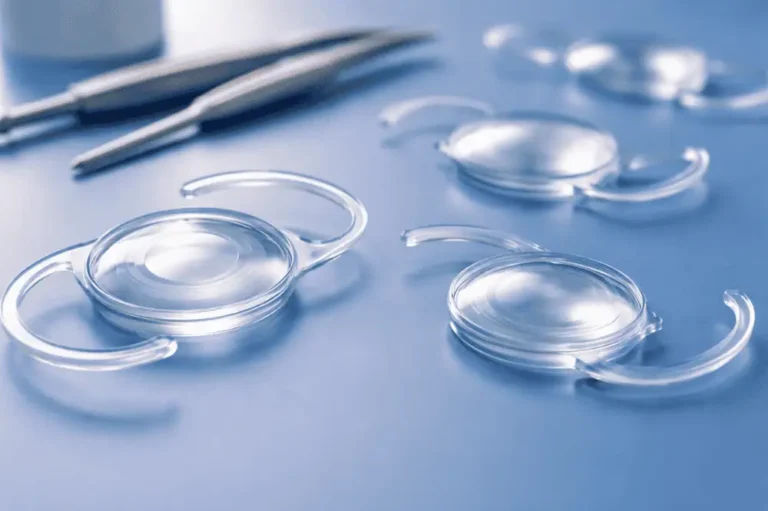
Intraocular lenses, commonly known as IOLs, are artificial lenses used to replace the eye’s natural lens during cataract surgery. When the natural lens becomes cloudy, it is removed and replaced with a clear one. These lenses are created using long-lasting materials such as silicone or acrylic.
Once placed, they remain inside the eye and help improve vision without the need for daily care like glasses or contact lenses.
Read More – What are the 4 Types of Cataract Lenses?
How long do IOLs last?
Intraocular lenses (IOLs) are built to last a lifetime and typically don’t require replacement. Made from durable, biocompatible materials like acrylic or silicone, they don’t degrade or wear out over time. As a result, IOL exchange is rarely needed, and most patients enjoy long-term, stable vision improvement without issues.
When Do You Need IOL Replacement?
Although uncommon, there are certain situations where doctors can assess whether an IOL can be removed and replaced. These include:
- Ongoing Visual Disturbances: Some individuals may experience persistent glare, halos, or starbursts that interfere with daily life./li>
- Lens Displacement: The IOL may move from its original position, leading to blurred or double vision.
- Medical Complications: Issues such as irritation, inflammation, or increased eye pressure may require medical attention.
- Clouding of the Lens (Rare): In very rare cases, the lens itself may become cloudy over time.
- Unexpected Vision Results: Each case is carefully evaluated before any decision about replacement is made. If you are wondering how long replacement lenses for cataracts last, the good news is that they are designed to be permanent.
Can Your Eyesight Change After Cataract Surgery?
Yes, your vision can change even after cataract surgery. These changes are usually related to aging or other eye conditions rather than the IOL itself. For instance, some people develop a condition known as a secondary cataract, which can cause blurred vision again. Thankfully, this can be treated without removing or replacing the IOL.
How to Care for Your Eyes After Cataract Surgery?
Taking simple steps after surgery can help protect your vision in the long run:
- Focus on a Healthy Diet: Nutrient-rich foods support overall eye health and recovery.
- Quit or Avoid Smoking: Smoking can negatively affect healing and increase the risk of eye problems.
- Protect Your Eyes From Sunlight: Wearing sunglasses helps shield your eyes from harmful UV rays.
- Schedule Regular Eye Checkups: Routine visits help monitor your eye health and catch any issues early.
Read More – 10 Tips to Achieve the Best Cataract Surgery Recovery
Get expert care after cataract eye surgery at InSight Vision Center, Fresno, CA
At InSight Vision Center in Fresno, CA, patients receive comprehensive care throughout their cataract surgery journey. The team focuses on helping you achieve a clear vision and maintain it over time.
From selecting the right lens to guiding you during recovery, experienced specialists provide support at every stage. If you have concerns about your vision after surgery, expert care is always within reach.
Ensure your IOL longevity. Get expert cataract after care at InSight Vision Center, Fresno, CA
Do intraocular lenses wear out over time?
No, IOLs do not wear out, break down, or degrade inside the eye.Will I ever need my intraocular lens replaced?
Most patients never need IOL replacement, though rare complications may require it.How durable are modern intraocular lenses?
Modern IOLs are made from durable, biocompatible materials designed for permanent use.Does vision change even if the intraocular lens lasts forever?
Yes, vision can change due to aging eyes or other eye conditions, not because of the IOL itself.What causes blurry vision years after cataract surgery?
A common cause is posterior capsule opacification, often called a secondary cataract.Do different types of IOLs last different lengths of time?
No, monofocal, multifocal, and toric IOLs all have similar long-term durabilityWill I need cataract surgery again if I already have an IOL?
No, cataracts cannot come back once the natural lens is replaced with an IOL.This article is general information and isn't a substitute for an eye exam.