Archives

Author's Posts

Blurry Vision after LASIK

Key Takeaways

  • Blurry vision after LASIK is common in the first few days and weeks and is usually part of normal healing.
  • Vision may fluctuate before stabilizing, with most patients seeing major improvement within 24-72 hours and full clarity in 1-3 months.
  • Dry eye is the most common cause of post-LASIK blur and can be managed with consistent use of lubricating drops.
  • Mild glare, halos, and night blur are common during recovery and typically improve over time.
  • Worsening blur, increasing pain, or sudden vision changes require prompt evaluation by your ophthalmologist.

You expected sharper vision. Instead, things look slightly hazy. If you are experiencing blurry vision after LASIK, take a breath. This is one of the most common concerns patients have in the days and weeks following surgery. Let’s walk through what’s happening and what you should expect.

Continue reading How Long Will My Vision Be Blurry After LASIK?

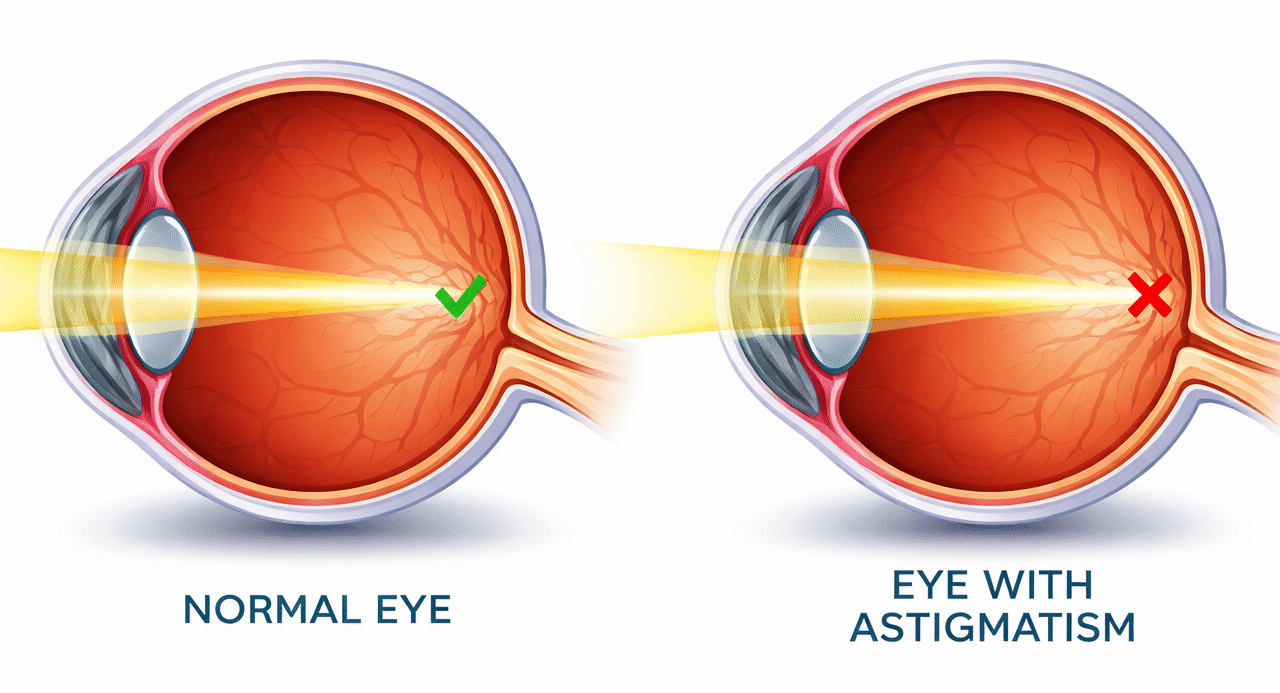
Astigmatism after LASIK

Key Takeaways

  • Astigmatism after LASIK can occur due to incomplete correction, healing differences, or natural age-related eye changes.
  • Most cases are mild and stabilize over time, but persistent symptoms may require evaluation.
  • Common signs include blurred vision, glare, halos, eye strain, and headaches.
  • Treatment options include LASIK enhancement, lens adjustment, corneal procedures, or glasses and contact lenses.
  • Early evaluation helps determine whether changes are part of normal healing or require corrective treatment.

LASIK is highly effective at correcting astigmatism. About 99% of patients achieve 20/40 vision or better, and nearly 90% reach 20/20 or better after surgery. Still, some people notice blur or distortion later and wonder if astigmatism after LASIK is possible. Yes, it is. However, the good news is that in most cases, it’s manageable. Let’s learn more!

Continue reading Astigmatism After LASIK: Causes, Symptoms & Treatment Options

Contoura vs LASIK

If you are planning laser eye surgery, Contoura Vision and LASIK are two common options you may hear about. Both help correct vision problems like nearsightedness and astigmatism, but they use different levels of technology. Understanding the difference between Contoura and LASIK can help you choose the right treatment for your eyes. In this blog, we explain both options in simple, easy-to-understand terms.

Continue reading Contoura Vision vs LASIK: Which One is Right for You?

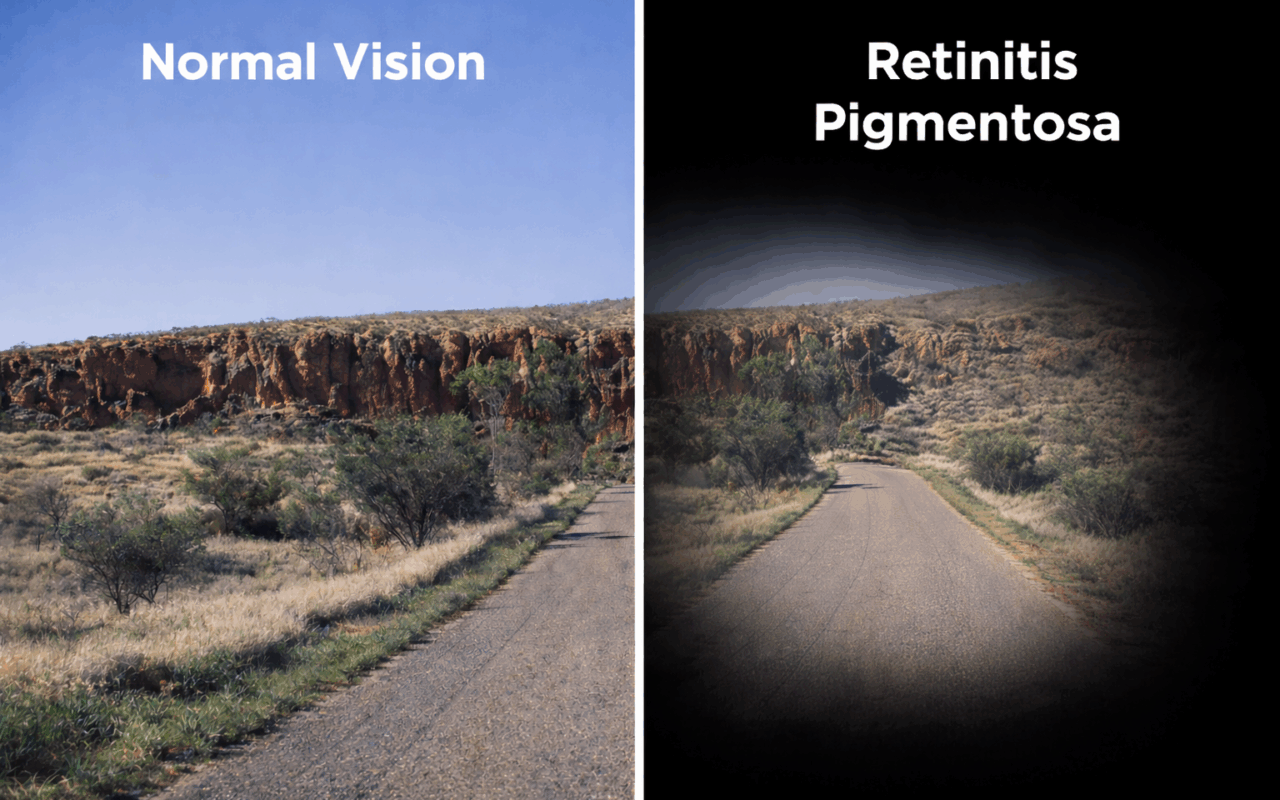
If you or someone you care about has been diagnosed with Retinitis Pigmentosa, it’s natural to have a lot of questions. What does it mean? How will it affect daily life? Is there any treatment? This blog is here to help you understand everything you need to know to about it.

What is Retinitis Pigmentosa?

Retinitis Pigmentosa is a group of inherited eye disorders that gradually damage the retina. Early symptoms often include night blindness and difficulty adjusting to low light. Over time, side vision may narrow, leading to tunnel vision and sometimes central vision loss. While there is no cure, specialist care can help manage symptoms and slow progression.

Continue reading Retinitis Pigmentosa: Causes, Symptoms and Treatment

If you’ve noticed a small growth on the white part of your eye or keep dealing with irritation that doesn’t improve, it may be a condition called pterygium. This eye problem is fairly common and is often linked to sun exposure, wind, and dry environments. In this blog, we’ll explain what a pterygium is, why it happens, and what you can do about it.

Continue reading Pterygium (Surfer’s Eye): Causes, Symptoms, and Treatment

LASEK vs PRK vs LASIK

In 2026, LASIK still leads the way, making up around 80 to 85% of all laser eye surgeries in the US. But non-cutting alternatives like PRK and LASEK are quickly gaining ground. According to Moskowitz Eye, these gentler options could make up 40% of all new vision correction surgeries by 2030. If you’re considering laser eye surgery, it can be tough to figure out which route to take. LASIK, PRK, and LASEK each have their own advantages, recovery timelines, and suitability depending on your eye health and lifestyle. Many people feel unsure about what’s right for them. In this blog, we’ll break down all three procedures in a clear, side-by-side comparison to help you make the right choice with confidence.

Continue reading LASEK vs PRK vs LASIK: What Is The Difference

SMILE vs LASIK

Two proven laser surgeries, one big decision. If you’re thinking about fixing your vision for good, you’ve probably come across SMILE and LASIK. Both are safe, widely used procedures that help people ditch glasses and contacts. But choosing between them isn’t always easy. You might be wondering which one heals faster, causes less dryness, or fits better with your daily routine. Cost and comfort matter too. In this blog, we’ll take a closer look at both SMILE and LASIK so you can find out which one truly fits your lifestyle.

Continue reading SMILE vs LASIK: Which Vision Correction To Choose?

Binocular Vision Dysfunction

Blurred or double vision, frequent headaches, or difficulty focusing while reading might seem unrelated. But they can all indicate a condition called Binocular Vision Dysfunction (BVD). This often-overlooked disorder can cause visual discomfort and problems with daily activities. Fortunately, BVD is manageable and curable if you contact the right expert!

At InSight Vision Center, we assist patients in Fresno, California, in understanding and managing BVD with accurate diagnoses and advanced treatment options.

Continue reading Binocular Vision Dysfunction: Causes, Symptoms, & Treatments

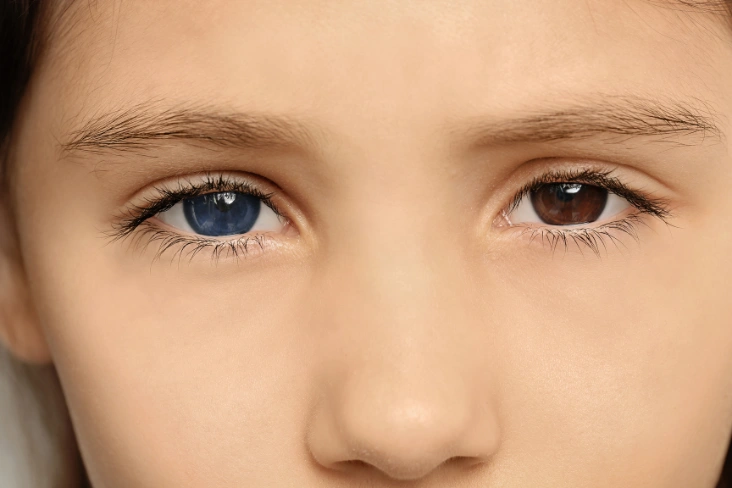
Eye color is one of the most striking and unique features that make each person different. While most people have eyes of the same color, some individuals naturally have two different-colored eyes, a rare and fascinating condition called heterochromia. This difference in eye color can be subtle or dramatic and is usually harmless. However, in some cases, it may be linked to underlying medical conditions or changes in the eye’s pigment over time.

Understanding what heterochromia is, what causes it, its types, and when to seek medical advice can help you recognize whether it’s purely a genetic trait or something that needs professional attention.

Continue reading What Is Heterochromia: Types, Causes & Treatment Options

What are Eye Allergies

If your eyes often feel itchy, red, or watery, you may be dealing with eye allergies. Also known as allergic conjunctivitis, this common condition occurs when your eyes react to allergens like pollen, dust, pet dander, or mold. The immune system’s response to these triggers causes inflammation and discomfort, making everyday life frustrating for many people.

What Are Eye Allergies?

Eye allergies happen when the eyes identify harmless substances as threats. This reaction releases histamines, leading to symptoms such as itching, redness, tearing, and swelling. While not usually serious, eye allergies can be uncomfortable and may worsen during allergy seasons or with frequent allergen exposure.

Continue reading Eye Allergies: Causes, Symptoms, Triggers, and Treatment.

Request your appointment

Request now & we will get back to you as soon as possible.

Call Us 559-449-5050